
Caring for Cashmere Throws: How to Maintain Luxury Textiles
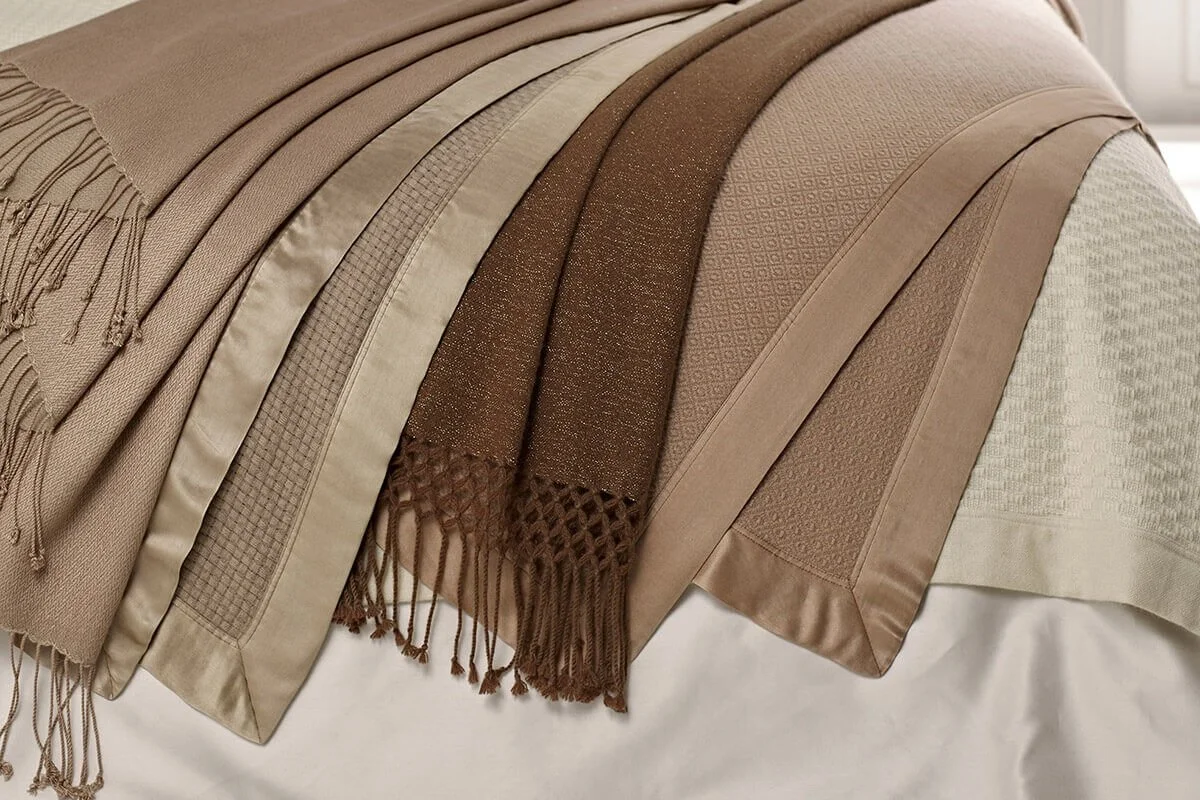
A cashmere throw is more than just a cozy blanket – it’s an investment in comfort and style. Whether it’s draped over your sofa or at the foot of your bed, its soft warmth brings luxury to everyday life. To ensure your cashmere throw remains as sumptuous as the day you got it, a little extra care goes a long way. Cashmere, while a fine and delicate fiber, can last for generations if treated properly. In this guide, we’ll share how to care for cashmere throws and blankets: from routine maintenance and cleaning to proper storage and safeguarding against common pitfalls. With these tips, you’ll keep your luxury textile in pristine condition, allowing you to enjoy its embrace for years and even decades to come.
Gentle Use: Daily Habits to Protect Your Throw
Caring for a cashmere throw starts with how you use it day-to-day. Cashmere fibers are delicate, so being mindful in everyday handling can prevent unnecessary wear:
- Keep it away from rough surfaces or Velcro. Cashmere can snag or develop pulls when caught on jagged edges. If your throw is on a sofa, ensure there aren’t rough wood splinters or abrasive decorative elements. Avoid contact with Velcro or zippers (for instance, if you toss it in a basket with other items, a Velcro cover or a sharp book corner can catch the weave).
- Limit direct sunlight exposure. Prolonged sunlight can fade colors over time. While it’s fine for your throw to get some sun in a room (and sunlight can even naturally refresh textiles), avoid leaving it in the same sunbeam day after day. If you have a favorite spot to display it, consider shifting the folds occasionally so the same area isn’t always exposed.
- Rotate and flip. If you always fold or drape your throw the same way, the folded edges or the outside-facing side might accumulate dust or fade unevenly. Every so often, refold it differently or flip which side is showing. This evens out any wear and keeps one area from getting all the love (or exposure).
- Pet considerations: Cashmere is a magnet for those who love softness – including cats and dogs! If you have pets, you might have noticed they adore napping on your cashmere throw. Pet fur can be gently removed with a lint roller or a soft brush. However, be cautious of pets kneading or clawing at cashmere; their claws can cause snags. If your cat is a kneader, it might be worth training them to use a different blanket or placing the throw out of reach when you’re not around.
These gentle use habits don’t require much effort but can significantly prolong the life of your throw. Essentially, treat your cashmere with the same kind of soft touch that it offers you, and it will stay looking great.
Cleaning 101: To Wash or Not to Wash?
One of the top questions owners of luxury throws ask is: How often (and how) should I wash my cashmere throw? The answer, generally, is infrequently and gently. Unlike clothes, throws don’t need washing very often. In fact, over-washing can wear out the fiber. Here’s what to consider:
- Spot Clean for Small Spills: If you get a little spill or spot on your throw (say a drop of tea or wine), address it quickly. Use a clean white cloth to blot (not rub) the liquid. For anything sticky or solid, gently lift it off with a dull edge (like a spoon). Then use a damp cloth with a dab of mild cashmere-friendly detergent to spot clean the area. Blot the stain from the edges toward the center to avoid spreading. Many small stains can be handled this way without needing a full wash.
- Frequency of Full Washing: Aim to wash your cashmere throw only a couple of times a year at most, unless it sees unusual soiling. A good practice is to wash it at the end of a heavy-use season (for example, after winter, before storing it for summer). If it’s mostly decorative and not often in direct contact with skin, once a year might be plenty.
- Hand Wash Preferred: The safest way to wash cashmere is by hand. Fill a clean basin or tub with lukewarm water (cool water is fine too; avoid hot) and add a splash of mild detergent. Ideally, use one formulated for wool/cashmere (many are labeled as such, or even baby shampoo can work in a pinch because it’s gentle). Submerge the throw and gently swish it around. Don’t wring, stretch, or scrub vigorously. Imagine you are washing a fine silk – gentle motions only.
- Soaking Time: Let it soak for about 10-15 minutes if needed. Cashmere releases dirt easily due to the smooth fibers, so you don’t need harsh action. If the water gets very dirty (perhaps your throw picked up more dust than you thought), you can drain and refill for a second rinse.
- Rinse: Lift the throw out carefully (support its weight, as wet cashmere can stretch when heavy). Refill with clean water and swish to rinse out detergent. You might rinse twice to ensure no soap remains, as residue can stiffen fibers.
What about the washing machine? Some people successfully machine wash cashmere on the most gentle settings (cold water, delicate cycle, inside a mesh laundry bag). This can be done if you trust your machine and the item isn’t too large (a big throw might agitate too much). However, there’s always a small risk – machines can be a bit rough, or the spin might stretch it. If you do try machine washing, ensure it’s on woolen/delicate cycle, no spin or very slow spin. When in doubt, hand wash – it’s worth the extra effort for a precious textile.
Drying: The Importance of Flat Drying
After washing (or even after spot cleaning a damp area), proper drying is crucial:
- Never wring or twist the throw to get water out. This can distort the shape and fibers. Instead, after washing, hold it up for a moment to let excess water drip off, then lay it out on a clean towel.
- Roll in a Towel: A trick to remove moisture is to lay the throw flat on a large towel, then roll the towel up with the throw inside, pressing gently as you go. This absorbs a lot of the water. You may need a couple of towels, given the throw’s size. Don’t worry if the throw is still a bit damp after – the goal is just to avoid it being sopping wet.
- Flat Dry: Find a flat surface where you can lay the throw out – a drying rack with a mesh surface, or even a clean dry bed with towels underneath, or a large table. Gently reshape the throw to its original dimensions (coax it back to a rectangle, straighten the edges, align any fringes so they’re not bunched). This blocking ensures it dries in the right shape.
- Avoid Heat: Do not hang it (hanging a wet cashmere throw will stretch it out due to weight), and definitely avoid a dryer machine. Cashmere should dry at room temperature. Keep it away from direct heat sources like radiators or sunlight while drying – it should dry slowly and naturally. Depending on the climate, it could take a day or two to fully dry. Flip it over once the top feels dry to touch, to let the underside dry.
- Final Finish: Once completely dry, you can give it a light shake or a gentle fluff by hand. If it feels a tad stiff (which can happen if any soap residue was left), sometimes a very light steam – either with a handheld steamer or by laying a damp cloth on it and ironing on the lowest setting – will refresh the softness. But often, just using the throw (or a couple of gentle snaps through the air) will bring back its lofty feel.
Following these drying steps prevents shrinkage and preserves that supple drape of your cashmere. It’s a bit of patience, but your throw will thank you by staying beautiful.
Dealing with Wrinkles and Restoring Softness
After washing and drying, or even after being folded for a long time, your throw might have some creases. And if it’s an older throw, you might wonder if you can make it feel as fluffy as before. Here’s how to handle that:
- Steaming: Cashmere responds very well to steaming. Using a garment steamer, gently steam the throw while it’s laid flat or draped over a drying rack. Keep the steamer a few inches away to avoid drenching the fibers. The steam will relax wrinkles and also plump up the fibers, restoring some loft. If you don’t have a steamer, you can hang the throw in a bathroom and run a hot shower for a few minutes to get the room steamy (just don’t splash the throw). Always ensure the throw is clean before heavy steaming, as heat can set stains.
- Ironing (with caution): If you must iron, do it on the reverse side of the throw. Use the lowest heat setting (often labeled “wool” or just above “silk”) and turn the steam off (unless using a pressing cloth). Place a cotton sheet or cloth between the iron and the cashmere to protect it. Do not press hard or you’ll crush the nap of the fiber – a light press or simply hovering the iron to steam is better.
- Brushing: Over time, a cashmere throw can develop slight fuzz or pills on the surface, especially with friction (like where it’s folded, or if it’s always in the same spot). Invest in a cashmere comb or a sweater stone – these are gentle tools to remove pilling. Lay the throw flat and lightly comb in one direction. It’s satisfying to see the little pills come off, and your throw will look smoother after. Don’t overdo it – a light once-over is usually enough.
- Rejuvenating Softness: If a cashmere throw ever feels a bit less soft (maybe after washing or if it got a tiny bit felted from improper washing), there are a couple of tricks. One is the hair conditioner trick: during the final rinse of hand washing, add a spoonful of hair conditioner (unscented, simple conditioner) to the water. It can coat the fibers and add softness. Another method is a very gentle fabric softener, but many purists avoid any softener due to chemicals. Usually, proper washing and a nice steam do the job to keep it soft. Also, the more you use cashmere, the softer it can get – the fibers love a bit of motion (but not too much friction).
By handling wrinkles and pills periodically, you’ll keep your throw not just clean but pristine in appearance – ready to display proudly in your home.
Safe Storage: Off-Season and Moth Protection
When you’re not using your cashmere throw – especially during off-seasons like summer – how you store it will determine its condition when you take it out next time. Improper storage can lead to issues like moth damage or musty odors. Follow these steps for safekeeping:
- Clean Before Storing: Always ensure the throw is clean and completely dry before you pack it away for a long period. Moth larvae are particularly attracted to natural fibers that have traces of sweat, food, or skin oils. Even if the throw looks clean, if it’s been used, it’s smart to wash it before storing. This way, it’s fresh, and there’s nothing to attract pests.
- Fold, Don’t Hang: For long-term storage, fold your cashmere throw neatly. Hanging can cause stretching, and hangers could create weird lines. Use acid-free tissue paper if you have it, to fold inside the throw (this can help prevent creases, but it’s not essential).
- Choose the Right Container: Breathability is key. Natural fibers like cashmere should not be stored in plastic vacuum bags long-term, as they need to breathe, and plastic can trap moisture (leading to mildew). Instead, opt for cotton storage bags or even a clean pillowcase to hold the throw. There are also specialty linen or muslin bags for storing sweaters and blankets that are ideal for cashmere. If using a plastic container, leave a small opening or poke a few holes for airflow, and wrap the throw in cotton inside it.
- Moth Deterrents: Moths can be a menace to wool and cashmere. To protect your throw, use natural moth repellents in your storage area. Options include cedar blocks or sachets, lavender sachets, or camphor. Cedar and lavender smell pleasant to us, but are off-putting to moths. Replace or refresh them every few months as their scent fades. Ensure the storage space (closet, attic, etc.) is dry and not prone to moth infestations – if you’ve seen moths, take preventative measures for the whole closet.
- Avoid Attics/Basements if Possible: Extreme temperatures and humidity can harm cashmere over time. Ideally, store your throw in a living area closet where the climate is regulated. If you must use an attic, at least put it in a sealed container with desiccant packs to control moisture and plenty of moth repellents.
- Check Periodically: If storing for many months, it doesn’t hurt to take the throw out once or twice to air it. On a nice dry day, open up the storage, unfold the throw, and shake it out, maybe let it sit for a few hours in indirect sunlight or a breezy spot (cashmere loves a little fresh air). Then refold a different way and store again. This just prevents any stagnant conditions or creases from setting in too long.
When winter rolls back around, you’ll open your storage to find the cashmere throw just as you left it: clean, soft, and free of critter damage. It’s well worth the small extra effort in spring to ensure a delight in autumn.
Extra Tips: Keeping It Luxurious for Years
A few additional pointers and things to avoid, to preserve that luxury feel:
- Avoid Bleach and Harsh Chemicals: This might go without saying, but never use chlorine bleach on cashmere (it will dissolve the fibers) and avoid even oxygen bleach (it can yellow or weaken fibers). Also, skip harsh stain removers. If a stain is truly stubborn, it’s better to take the throw to a professional cleaner who has experience with cashmere.
- Dry Cleaning – Use Judiciously: Dry cleaning is an option for cashmere, but not too frequently. The chemicals (like perc) can be harsh on natural fibers over time, removing their natural oils and luster. If you do dry clean, find a cleaner who uses gentle methods or specifically handles fine woolens. Reserve dry cleaning for serious stains or for a once-in-a-while deep clean if you’re uncomfortable hand washing a very expensive throw.
- Fringe Care: If your throw has fringes, they can tangle or knot over time. To keep them straight, you can occasionally finger-comb the fringes. After washing, definitely spend a moment aligning the fringe threads straight before drying. If they’ve gotten crinkled, a light mist of water and a gentle comb through with fingers (or a very wide-tooth comb) can help. Some people even slip a piece of paper through the fringes when storing them to keep them separated.
- Using Your Throw: Don’t shy away from using your cashmere throw just because it’s luxury. It’s made to be enjoyed! The oils from human skin can actually condition fibers slightly (that’s why some say cashmere gets softer with wear). The key is simply to keep it reasonably clean and treat it kindly. Everyday use followed by seasonal care as described above is a perfect balance – it ensures the throw remains a beloved part of your home and not just a cupboard queen.
- Traveling with a Throw: If you ever take your throw on trips (some people love a bit of home luxury on a long flight or at a hotel), carry it in a protective bag so it doesn’t get dirty in transit. And be mindful not to leave it behind – cashmere throws are the kind of item airlines rarely have in lost and found!
By following these care guidelines, you’ll find that your cashmere throw retains its wonderful softness, shape, and beauty over the years. A well-cared-for cashmere can truly last a lifetime, maintaining the luxury that justified its place in your life to begin with. Plus, there’s a special satisfaction in tending to a beautiful item – it becomes part of the ritual of enjoying luxury goods, giving you even more appreciation for the craftsmanship behind them.
Cherishing Your Cashmere
Taking the time to care for your cashmere throw is a small investment that yields rich rewards. Not only will your throw continue to look and feel exquisite, but you’ll also deepen your connection to it – transforming it from just a decor item into a cherished possession with its own history of care. In the fast-paced world we live in, there’s something almost meditative about the process: gently washing, smoothing fringes, folding with lavender sachets… It’s a reminder to slow down and treasure the quality around us.
By following the steps above, your cashmere throw will remain a source of comfort and luxury through countless cozy evenings and elegant room setups. When friends or family admire it, you can share not only its origin but also how you lovingly maintain it – an often overlooked aspect of owning fine things.
If you have any questions about cashmere care or are looking for your next heirloom-quality throw, the Arihant Collection team is always here to help. Feel free to reach out for personalized advice on maintaining your textiles, or explore our range of handcrafted cashmere throws if you’re looking to add another to your collection. With proper care, your cashmere will continue to enrich your life with warmth and elegance, year after year.
