
Cashmere vs. Wool vs. Yak vs. Camel: A Designer’s Guide to Natural Fibers
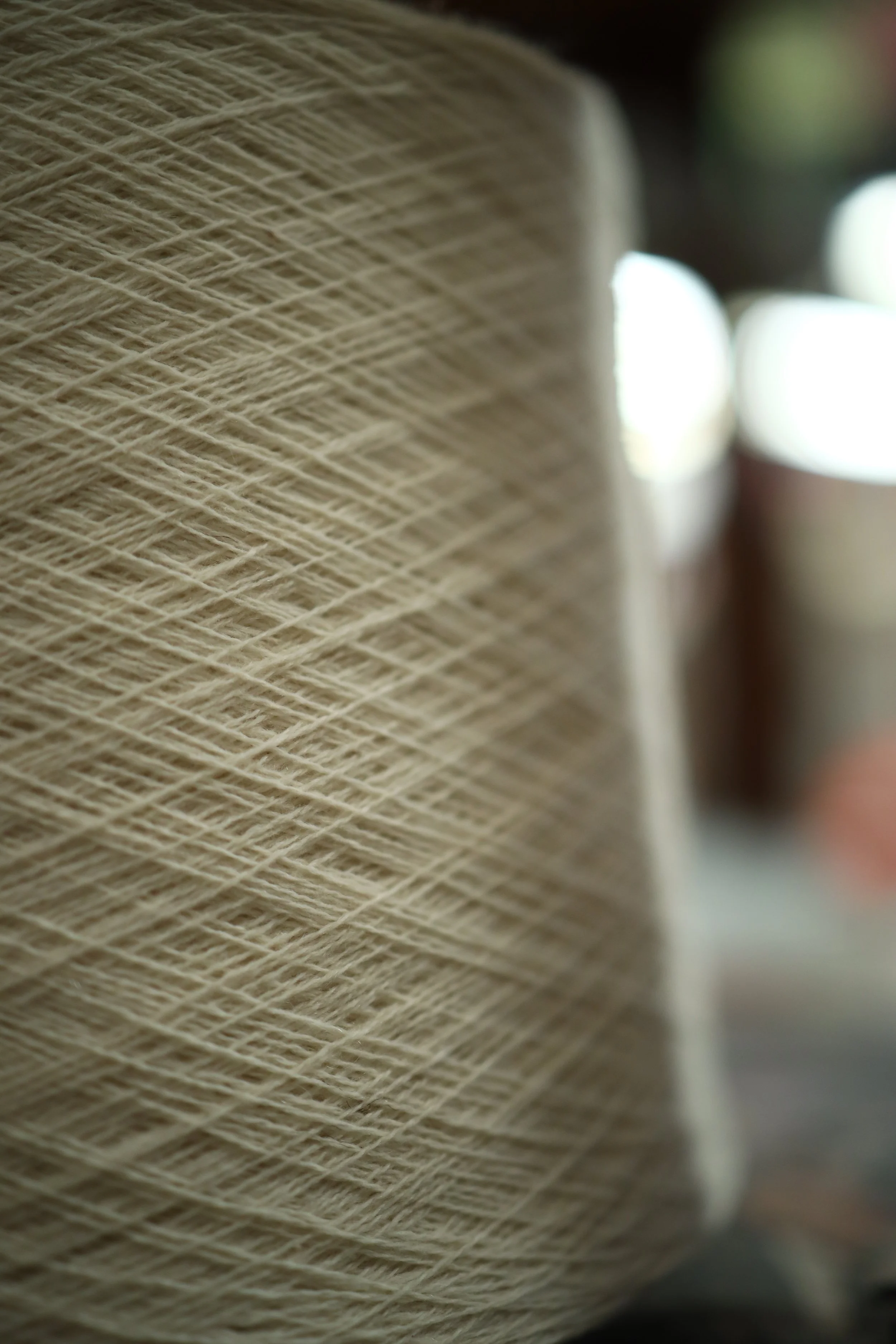
When selecting textiles for a high-end interior or luxury wardrobe piece, the choice of fibre matters. Each natural fibre brings its own combination of softness, warmth, durability, texture, colour, and character. For designers, understanding these differences can help determine not only how a textile feels, but also how it will look, drape, and perform within a space.
Among the fibres used in luxury textiles, cashmere, merino wool, yak, and camel each offer something distinctive. Cashmere is known for exceptional softness and lightness, merino wool for versatility and resilience, yak for its warmth and earthy character, and camel for its distinctive natural colour and insulating qualities.
So, which fibre is best for a luxury throw or blanket?
There is no single answer. The right choice depends on the intended use, the desired aesthetic, and the qualities you want the finished textile to bring to a space.
Cashmere: Exceptional Softness and Lightness
Cashmere comes from the fine undercoat of cashmere goats found across regions of Central and East Asia, including Nepal, Mongolia, and parts of China. It is one of the most prized natural fibres in luxury textiles, valued particularly for its softness, lightness, and ability to provide warmth without excessive weight.
Its fine fibres give cashmere its characteristic smooth hand feel. In a woven throw or blanket, this translates into a textile that feels soft and comfortable while maintaining an elegant, fluid drape.
Cashmere also has a subtle natural lustre and takes colour beautifully. This makes it particularly versatile for interiors, from understated neutrals to deeper, more expressive shades.
However, cashmere is not simply about softness. Fibre quality, yarn construction, ply, and weave all influence the final character of a textile. A well-made cashmere throw can be both delicate in feel and remarkably enduring when properly cared for.
Best use: Cashmere is particularly suited to luxury throws, blankets, cushions, and other pieces where softness, lightness, and refined drape are central to the design. It works especially well in bedrooms, formal living spaces, hospitality environments, and other settings where comfort and quiet luxury are priorities.
Merino Wool: Versatility and Resilience
Wool encompasses a wide range of fibres, but fine merino wool is particularly valued in luxury textiles for its softness and versatility. Merino fibres are finer than those of conventional wool, giving them a smoother hand feel while retaining many of wool’s natural performance characteristics.
One of wool's defining qualities is resilience. Its natural structure gives it elasticity and recovery, allowing woven textiles to maintain their shape while standing up well to regular use.
Merino wool is also naturally insulating and moisture-regulating. Depending on the weight and construction of the textile, it can provide substantial warmth while remaining comfortable across changing temperatures.
For interiors, wool offers considerable design flexibility. A tightly woven merino throw can feel refined and contemporary, while a more substantial construction can create a warmer, more textured aesthetic.
It is also generally more forgiving than cashmere in everyday use, although fine wool should still be treated with care to preserve its appearance and feel.
Best use: Merino wool is an excellent choice for spaces where durability, warmth, and everyday usability matter alongside luxury. It works particularly well in living rooms, family spaces, hospitality settings, and interiors where textiles are intended to be used frequently.
Yak: Warmth with an Earthy Character
Yak fibre comes from the fine undercoat of yaks, animals adapted to the cold, high-altitude environments of the Himalayas and Central Asia. Fine yak down is valued for its softness, warmth, and naturally distinctive character.
One of the most appealing qualities of yak is its warmth. Its insulating properties make it particularly well suited to lightweight textiles that still provide substantial comfort.
Yak also has a strong visual identity. Natural yak fibres commonly occur in earthy shades of brown, grey, taupe, and charcoal. These tones can be beautiful in their own right, making yak particularly interesting for interiors that draw on natural materials and muted palettes.
Because of its natural colour, yak can also bring a depth and variation to a textile that feels different from the more uniform appearance of a dyed fibre. Depending on the desired result, it can be used in its natural state or incorporated into blends and other constructions.
For designers, yak offers something beyond a simple alternative to cashmere: it brings a different mood. Where cashmere often communicates refinement and softness, yak can introduce warmth, texture, and a more organic sense of luxury.
Best use: Yak is particularly suited to throws and blankets for mountain homes, lodges, hospitality spaces, and interiors built around wood, stone, and other natural materials. It is also an interesting choice when a project calls for something distinctive without moving away from a luxurious feel.
Camel: Natural Warmth and Character
Camel hair is typically sourced from the fine undercoat of camels adapted to cold desert and steppe climates. Like other animal fibres used in luxury textiles, its undercoat provides insulation while remaining considerably finer and softer than the outer guard hairs.
Camel fibre is naturally associated with warm golden and tan tones. This distinctive colour is one of its greatest aesthetic qualities and is often appreciated without heavy dyeing.
The fibre also offers good insulation and resilience, making it suitable for textiles where warmth and structure are important. Compared with cashmere, camel generally has a slightly more substantial hand, which can be an advantage when a designer wants a textile with a more tailored or classic character.
For interiors, camel can create an especially sophisticated effect when paired with leather, timber, stone, and warm neutral palettes. It has a timeless quality that can work equally well in traditional and contemporary settings.
Best use: Camel is well suited to luxury throws and light blankets where warmth, natural colour, and a more structured aesthetic are desired. It can be particularly effective in studies, libraries, lounges, bedrooms, and hospitality interiors built around warm, classic materials.
Cashmere vs. Wool vs. Yak vs. Camel
While all four fibres offer warmth and luxury, their characteristics differ in ways that can influence a design decision.
Softness
Cashmere generally offers the softest and most delicate hand feel of the four. Fine yak can also be exceptionally soft, while fine merino wool offers a balance of softness and resilience. Camel has a somewhat more substantial character, although high-quality camel undercoat can still feel remarkably soft.
For a textile intended to sit directly against the skin, softness may be the primary consideration. For a decorative throw, however, the tactile experience is only one part of the decision.
Warmth
All four fibres provide natural insulation, but the experience of warmth depends on fibre, yarn, weave, weight, and construction.
Cashmere and yak are particularly attractive when warmth is desired without creating a heavy textile. Wool can provide substantial warmth, especially in a denser or heavier construction, while camel is also naturally well suited to cold environments.
Rather than choosing a fibre based solely on warmth, designers should consider the finished textile as a whole.
Durability and Care
Merino wool is generally a practical choice where regular use and resilience are priorities. Yak and camel can also offer good durability, while cashmere requires more careful handling to preserve its appearance and softness.
For all luxury natural-fibre textiles, appropriate care matters. Gentle washing or professional cleaning where recommended, avoiding excessive heat, and proper storage can help extend the life of the finished piece.
The construction of the textile also matters. Fibre quality, yarn twist, ply, weave density, and finishing can all influence how a throw performs over time.
Appearance and Style
Each fibre creates a different visual language.
Cashmere tends toward an elegant, refined appearance with soft drape and subtle lustre. Merino wool can range from clean and understated to richly textured. Yak naturally lends itself to earthy, organic palettes, while camel brings warmth through its characteristic golden and tan tones.
For a designer, this means the fibre can become part of the visual story of a space rather than simply a material choice.
Choosing the Right Fibre for Your Project
The best fibre ultimately depends on what the textile needs to accomplish.
Choose cashmere when softness, lightness, refined drape, and understated luxury are the priority.
Choose merino wool when you want a versatile natural fibre that combines warmth, resilience, and everyday practicality.
Choose yak when you want exceptional warmth with a more natural, earthy character and distinctive visual identity.
Choose camel when warmth, natural golden tones, and a classic or structured aesthetic are central to the design.
And in many projects, the answer does not have to be a single fibre. Blends can combine different characteristics to create a particular balance of softness, strength, warmth, texture, or cost. Cashmere-yak, wool-cashmere, and other combinations can offer designers additional flexibility when developing a textile for a specific application.
Fibre Is Only the Beginning
For a handwoven textile, the fibre is only one part of the final result.
The same fibre can feel and behave very differently depending on how it is spun, how many plies are used, the weave structure, the density of the weave, and the finishing process. A lightweight cashmere in one construction can have a very different character from a denser cashmere textile. The same is true of wool, yak, and camel.
This is particularly important when designing custom throws and blankets. Rather than choosing a fibre in isolation, it is often more useful to consider the complete combination of fibre, yarn, ply, weave, size, colour, and finish.
At Arihant Collection, these elements are developed together to create handwoven textiles suited to individual design requirements. Our work spans cashmere, fine wool, yak, camel, and blends, with different weave structures, ply options, colours, borders, and finishes available for custom projects.
Weaving Natural Luxury into Design
Natural fibres bring more than softness and warmth to an interior. They bring character.
Cashmere can introduce an understated sense of refinement. Merino wool can add versatility and texture. Yak can bring an earthy connection to the natural world, while camel can contribute warmth through both its fibre and its distinctive colour.
For designers, the most successful textile choices are often those that consider all of these qualities together: how a fibre feels in the hand, how it catches the light, how it drapes across furniture, how it relates to the surrounding materials, and how it will be used over time.
There is no universally superior natural fibre. The right choice is the one that best supports the intention of the project.
And when that fibre is combined thoughtfully with the right yarn, weave, colour, and craftsmanship, even a simple throw or blanket can become an integral part of the design.
