
What Designers Should Look for in a Custom Textile Manufacturing Partner
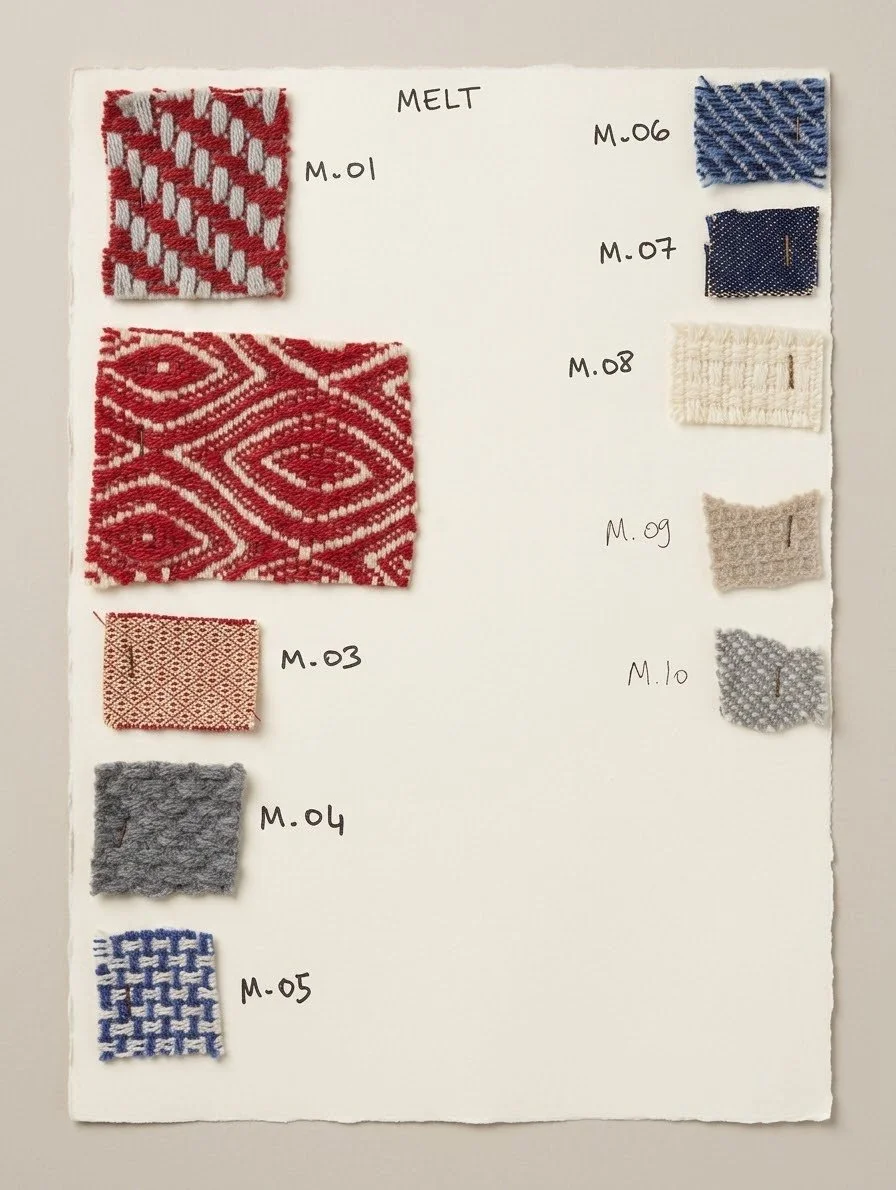
Custom textile projects rarely follow a perfectly straight line. There may be a particular weave to develop, a color that needs to be matched, a size that falls outside standard dimensions, or a sample that needs to be adjusted before it is approved.
The finished product matters, of course.
But so does everything that happens before it.
The Role of Textiles in Bedroom Design
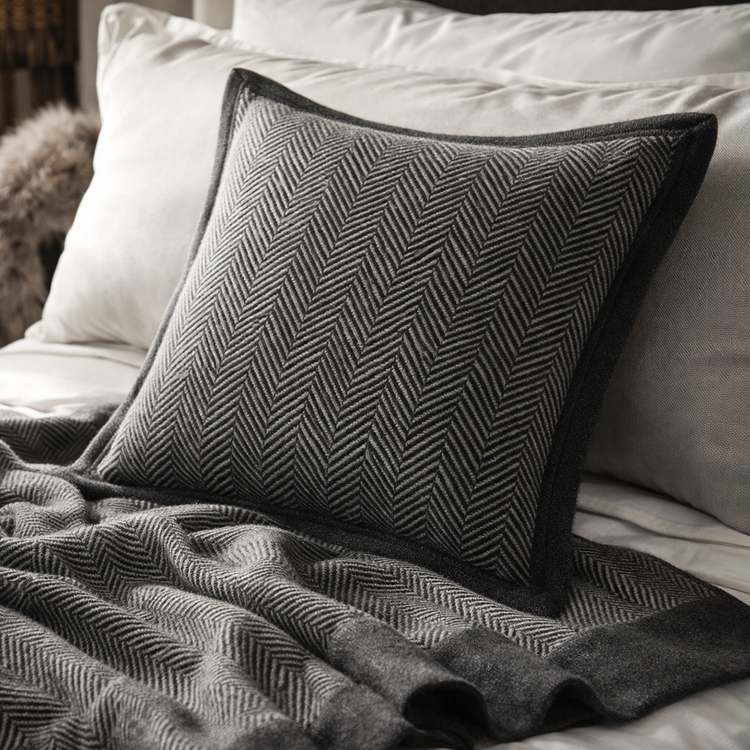
When designing a bedroom, the bed and larger furniture pieces usually get most of the attention.
The bed establishes the proportions of the room. The headboard can become a focal point. Nightstands, lighting, flooring, and built-in elements all contribute to the overall design.
But from what I've seen working with designers, it's often the textiles that make a bedroom feel finished.
What Sustainability Means to Us: Making Fewer, Better Textiles
Sustainability is one of those words you hear everywhere in manufacturing today.
But what does it actually mean?
For us, sustainability starts with something simple:
Making products that last.
Why We Still Weave on Traditional Shuttle Looms
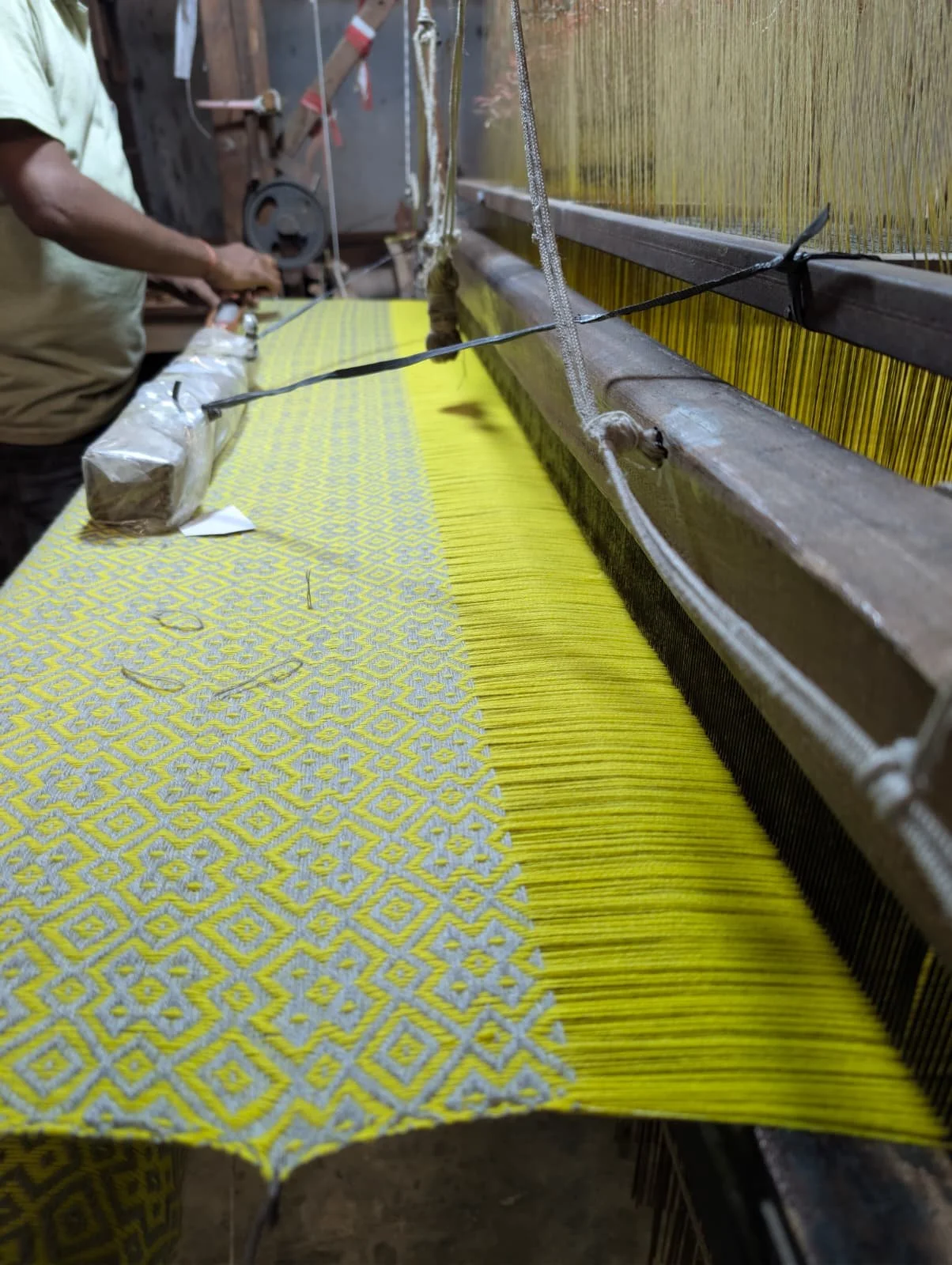
One of the questions we’re asked most often is: "Why are you still weaving on traditional shuttle looms?"
At Arihant Collection, many of our projects are custom developed for interior designers, luxury retailers, and hospitality brands. One client may request a specific weave in a bespoke size. Another may need a custom color that matches an interior palette. The following project may require a completely different construction or only a small production run.
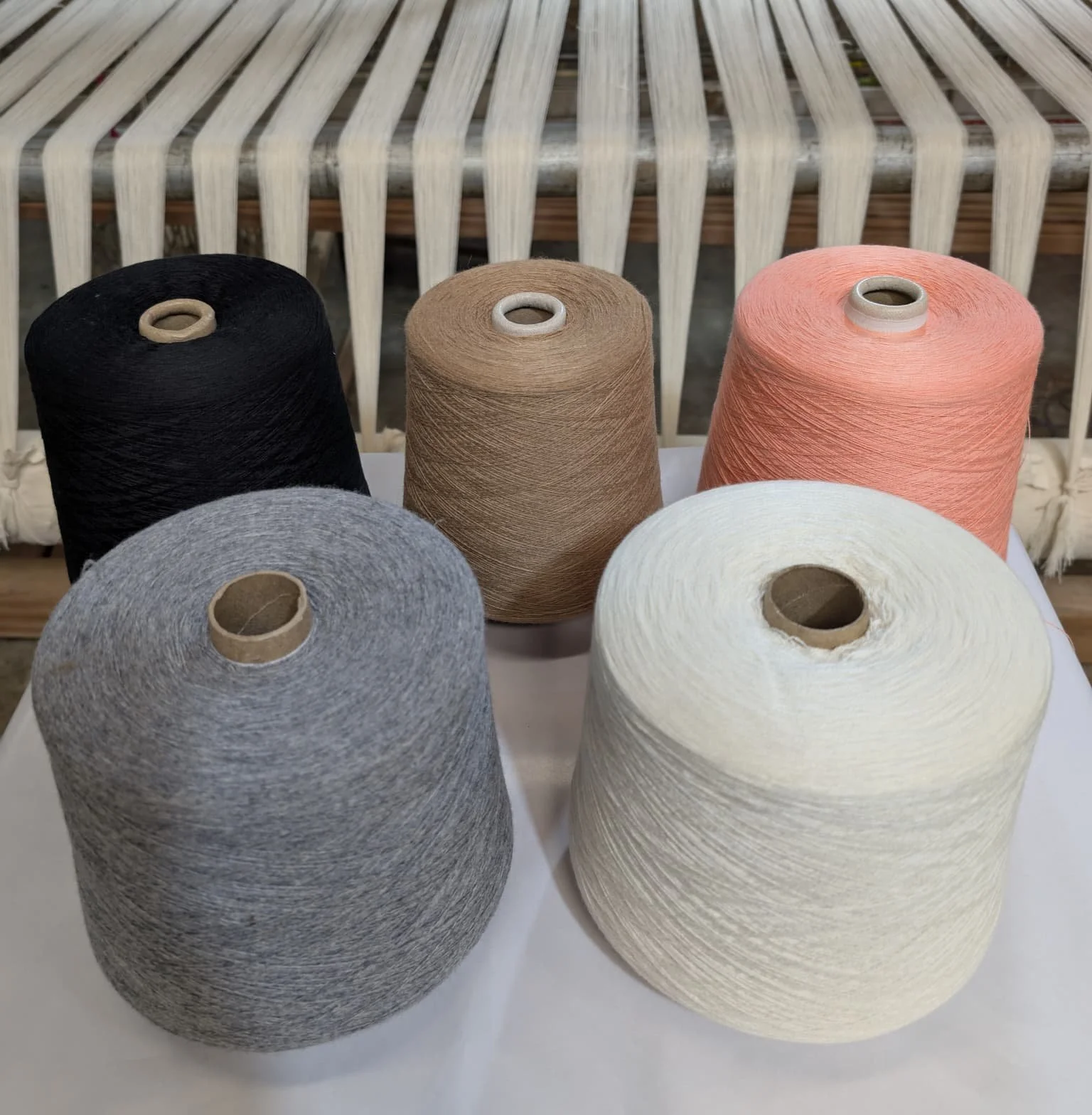
Why Cashmere Yarn Quality Matters: What Determines the Feel and Performance of a Finished Textile
When people think about luxury cashmere, they often picture the finished product, a beautifully woven throw draped over a sofa or a blanket adding warmth to a carefully designed bedroom.
What many don't see is that the quality of the finished textile is largely determined long before weaving ever begins.
It starts with the yarn.
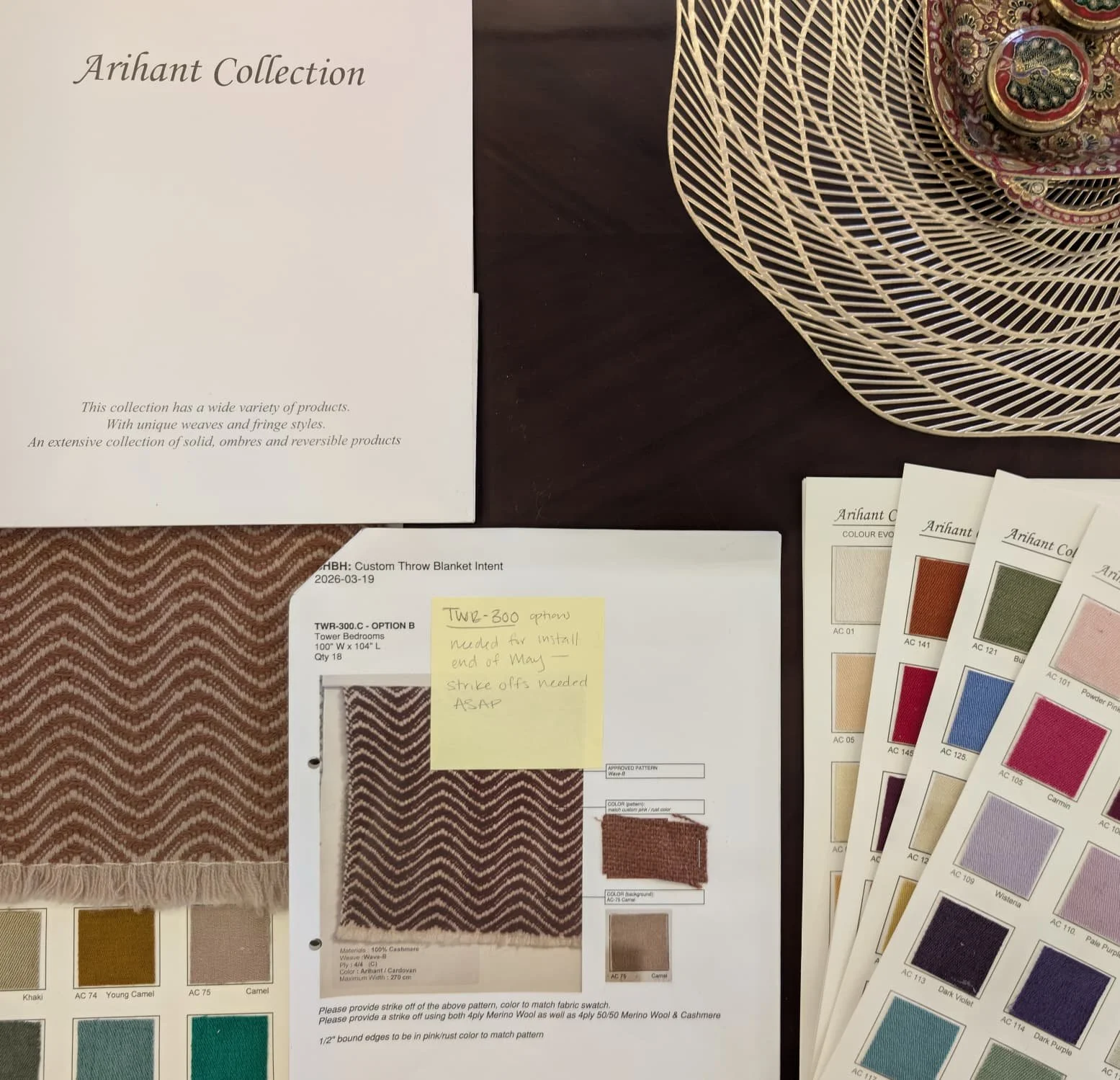
Behind Every Custom Textile: Why Planning Matters Before Production Begins
One of the biggest misconceptions about custom manufacturing is that the most important work happens during production.
In reality, much of the success of a custom textile project is determined long before the first yarn is placed on the loom.
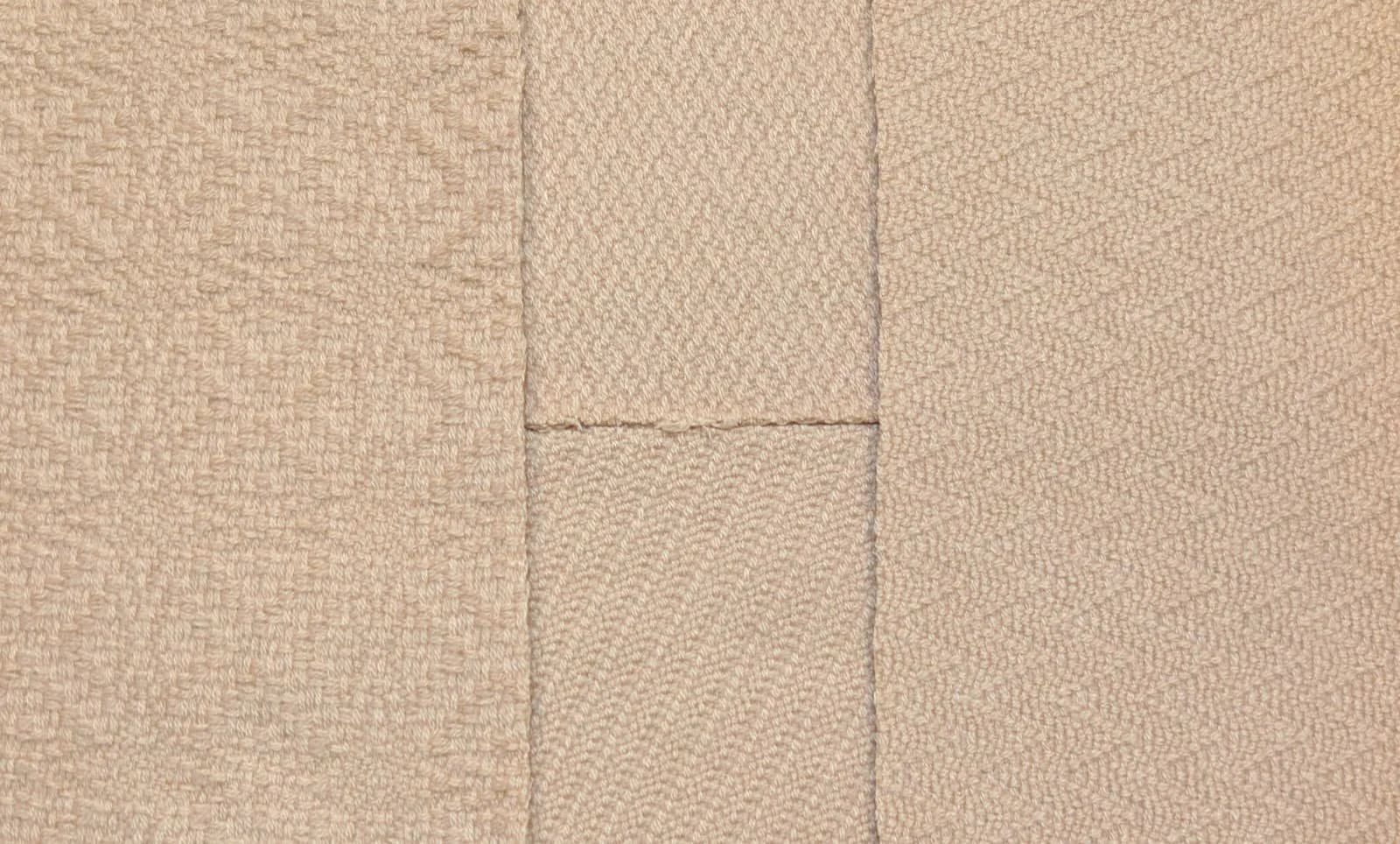
Why Weave Matters: How Weave Structure Shapes the Look and Feel of Cashmere
When people think about textiles, color is usually the first thing that comes to mind.
It's the element that immediately catches the eye and often drives the initial design conversation.
But in our experience, color is only part of the story.
The weave of a textile has just as much influence on how it is perceived and experienced.
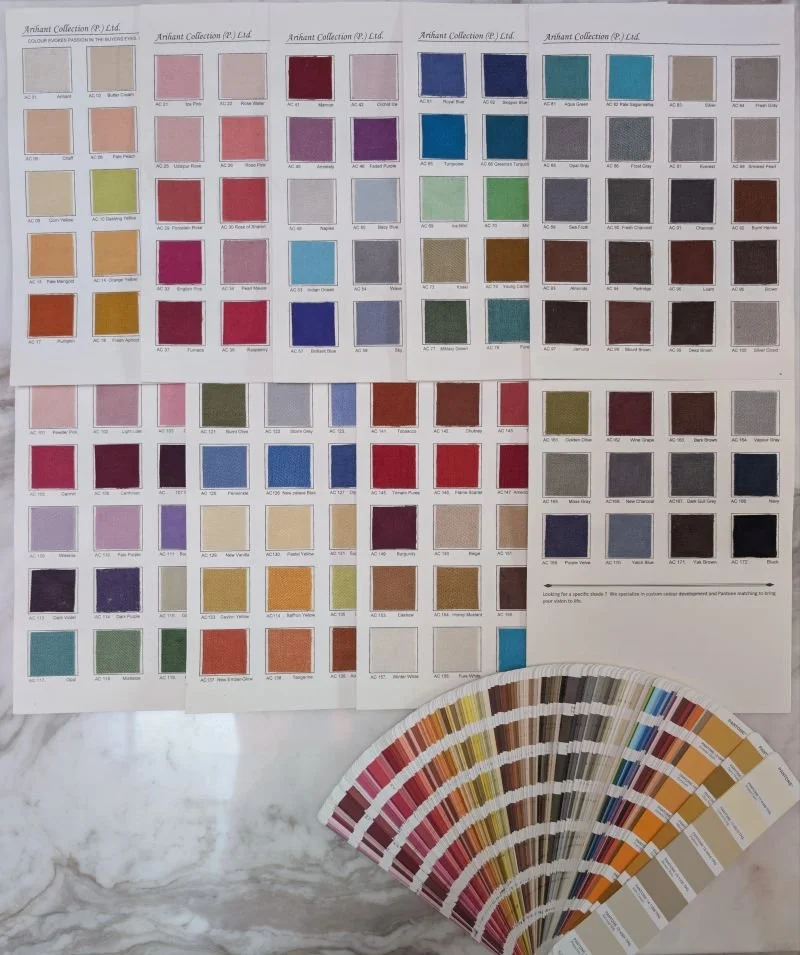
Why Color Matching Matters: The Art and Science of Custom Cashmere Color Development
A designer once told me:
"If the color is even slightly off, the entire room feels off."
They weren't exaggerating.
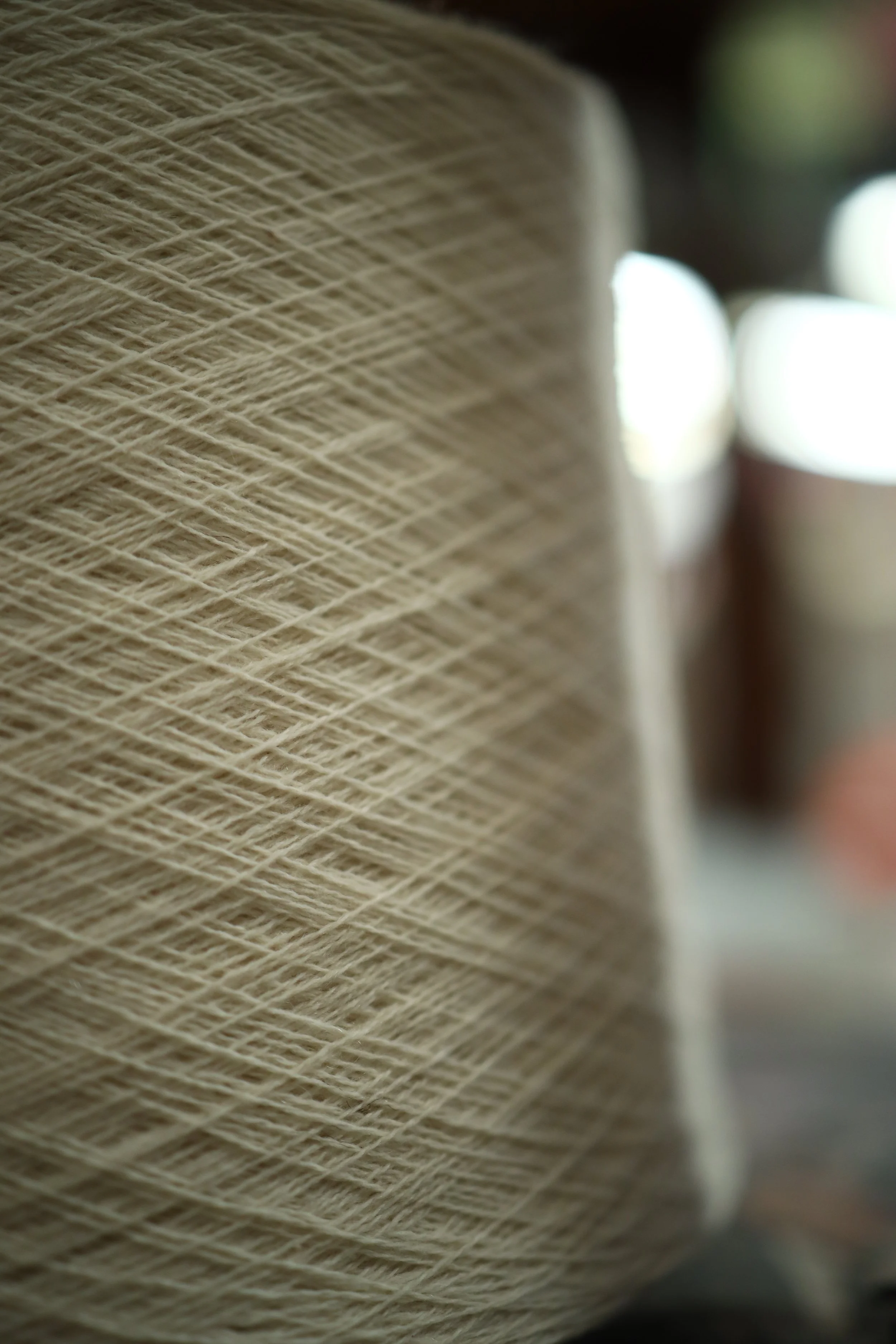
Understanding Cashmere Ply: Choosing the Right Weight, Feel, and Performance for a Project
One of the most common questions we receive from designers is:
"What ply should we choose?"
The answer depends entirely on how the piece is intended to be used.
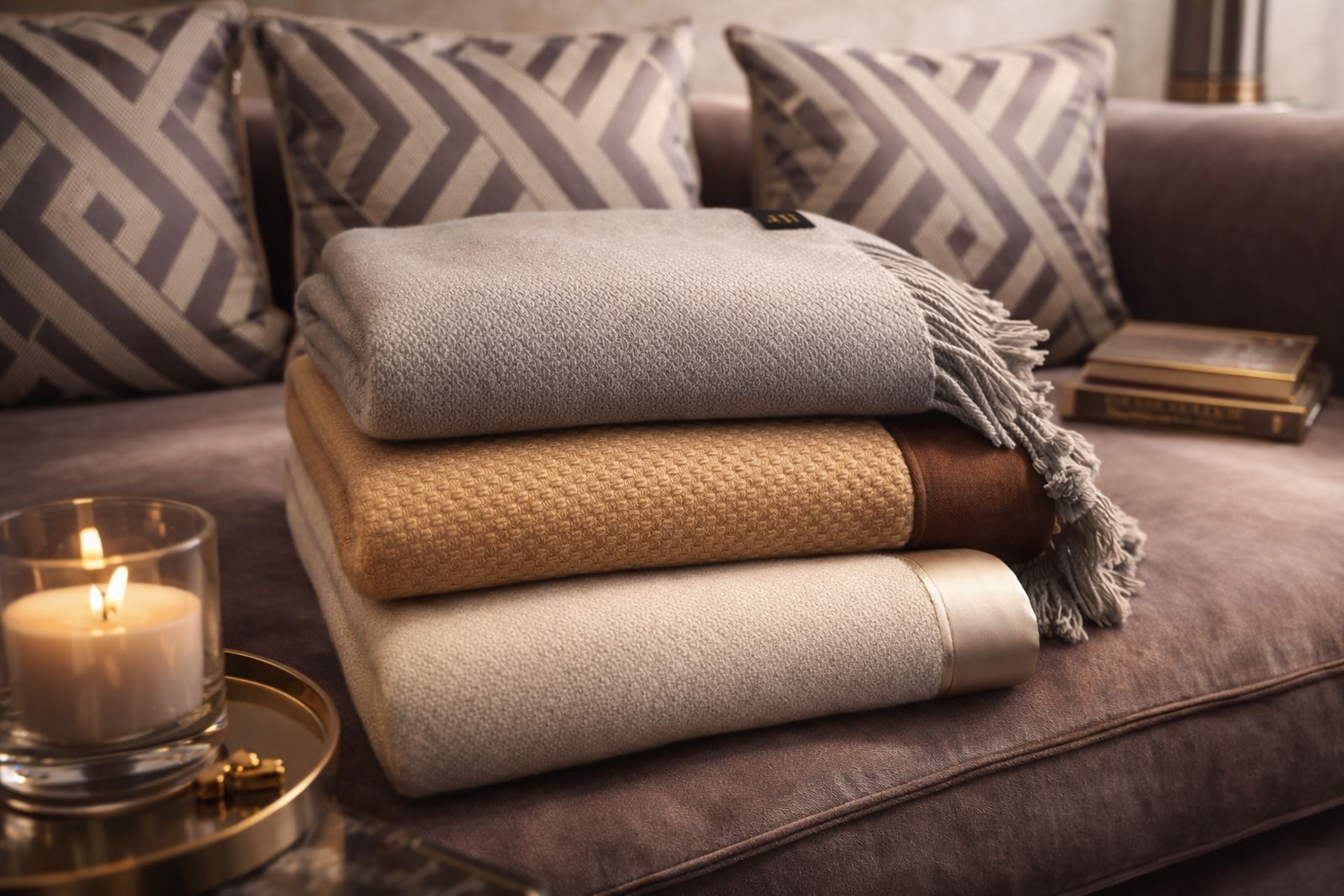
Handcrafted Doesn't Mean Unstructured: The Process Behind Handwoven Cashmere
"Handcrafted" is one of the most overused words in luxury. In our industry, it's often used as a marketing term. For us, it's simply how we work.
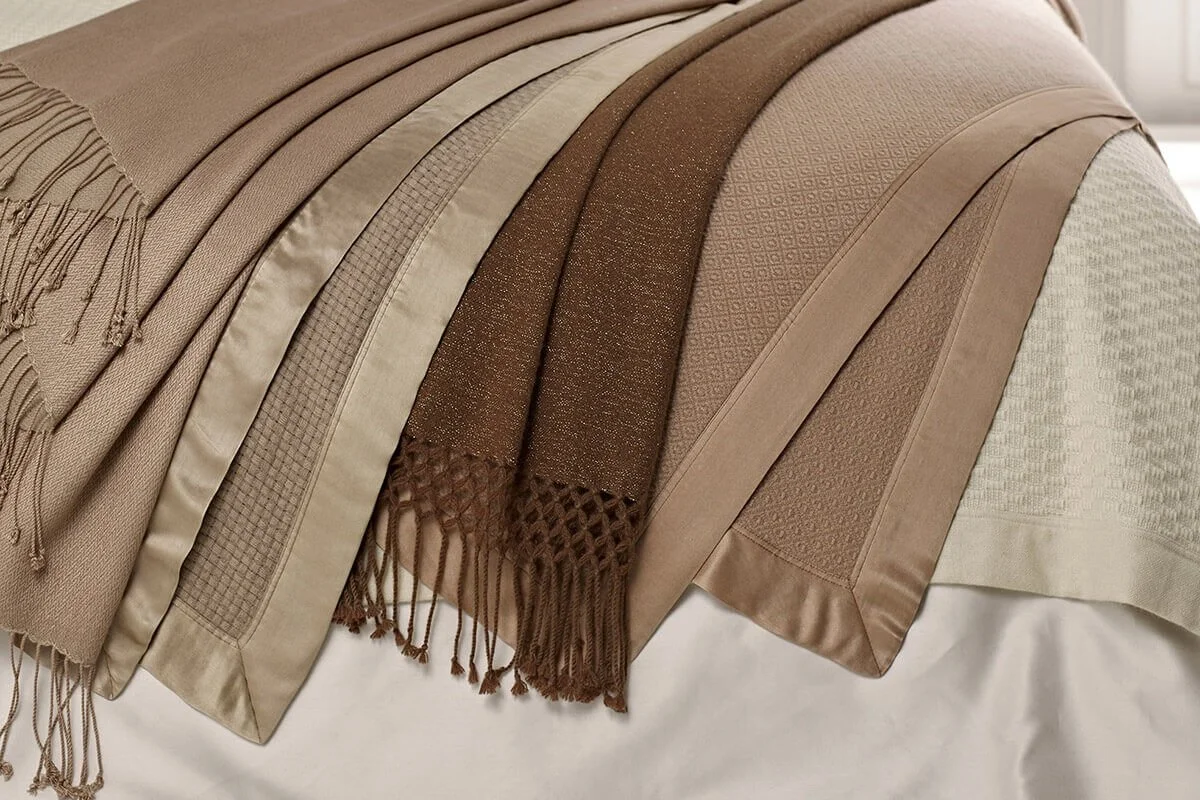
Caring for Cashmere Throws: How to Maintain Luxury Textiles
Extend the life of your luxury cashmere throw with proper care. Learn expert tips on cleaning, washing, drying, and storing cashmere blankets and throws to keep them soft and beautiful for years.

Cashmere vs. Wool vs. Yak vs. Camel: A Designer’s Guide to Natural Fibers
Not all luxury fibers are the same. Explore the differences between cashmere, merino wool, yak down, and camel hair. Our designer’s guide compares softness, warmth, durability, and best uses of each natural fiber.

Why Interior Designers Prefer Custom Textiles for High-End Projects
Discover why bespoke fabrics and custom cashmere throws are go-to choices for luxury interior designers. Learn how custom textiles elevate high-end projects with unique style, quality, and story.
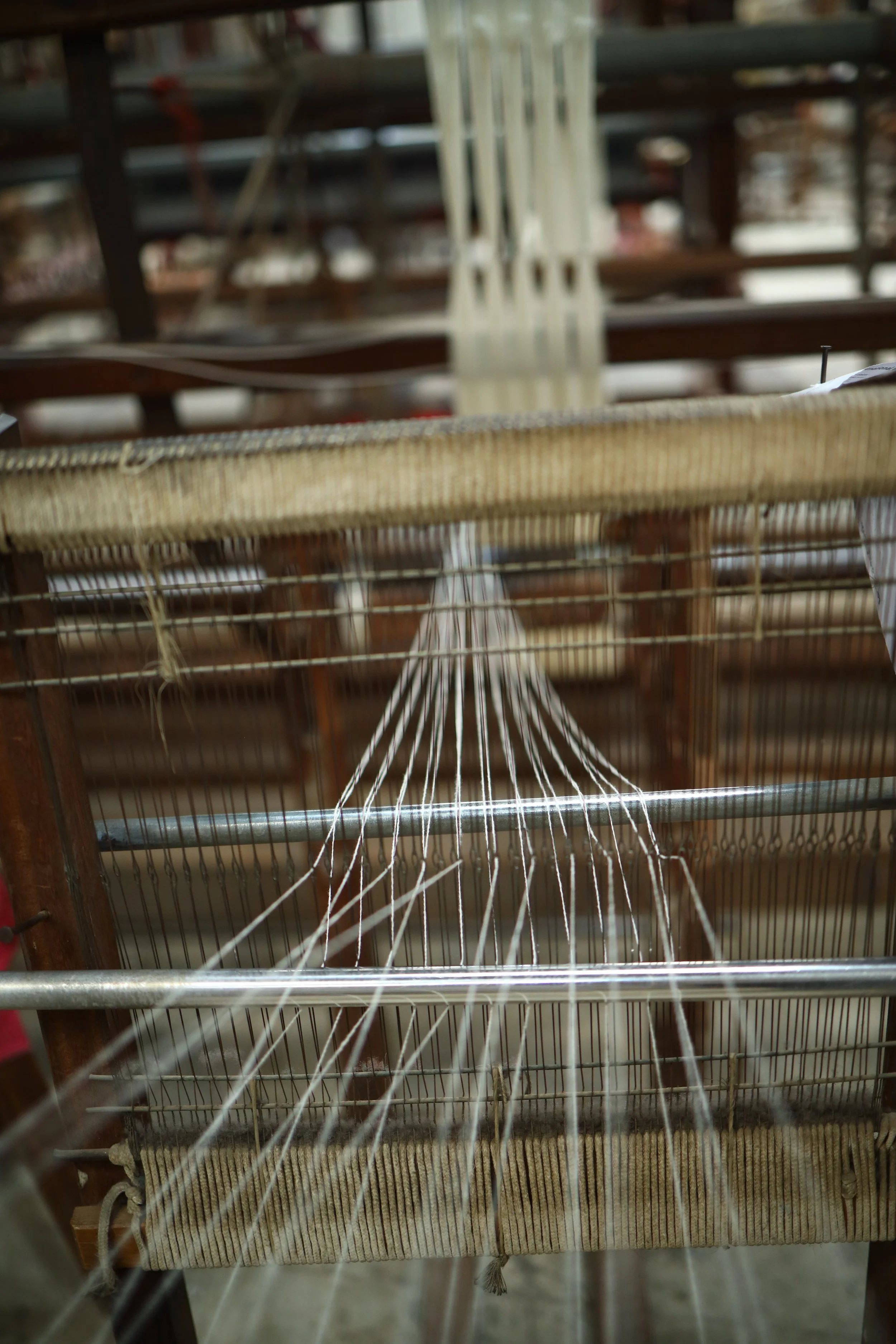
The Art of Handwoven Cashmere: Behind the Loom in Nepal
Journey behind the scenes of our Nepali atelier. Discover how handwoven cashmere throws are crafted on traditional looms in Nepal, and why artisanal techniques make each piece a work of art.
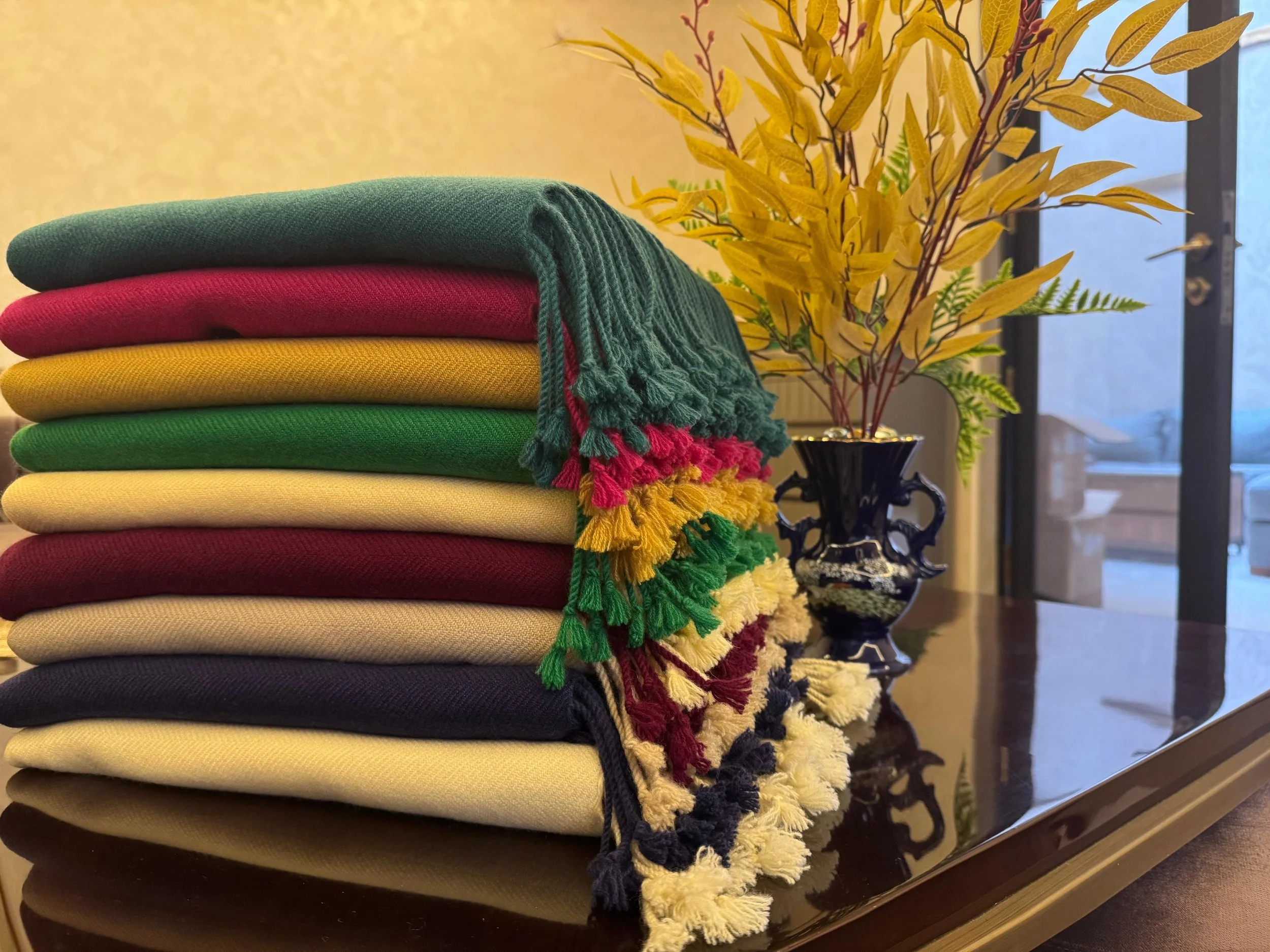
How to Choose the Perfect Luxury Throw for Interior Design Projects
Elevate your interiors with the perfect cashmere throw. Discover how to choose a luxury throw blanket – from material and size to color and texture – to complement any design project.