
Understanding Cashmere Ply: Choosing the Right Weight, Feel, and Performance for a Project
One of the most common questions we receive from interior designers is simple:
"What ply should we choose?"
The answer is rarely about selecting a specific number. Instead, it begins with understanding how the textile will be used within the space.
At Arihant Collection, our cashmere collections are handwoven, allowing us to develop a wide range of constructions—from lightweight decorative throws to substantial blankets and coverlets. The choice of ply plays a significant role in determining not only how a textile looks, but how it feels, performs, and ultimately becomes part of the client's everyday experience.
What Does Ply Mean in Cashmere?
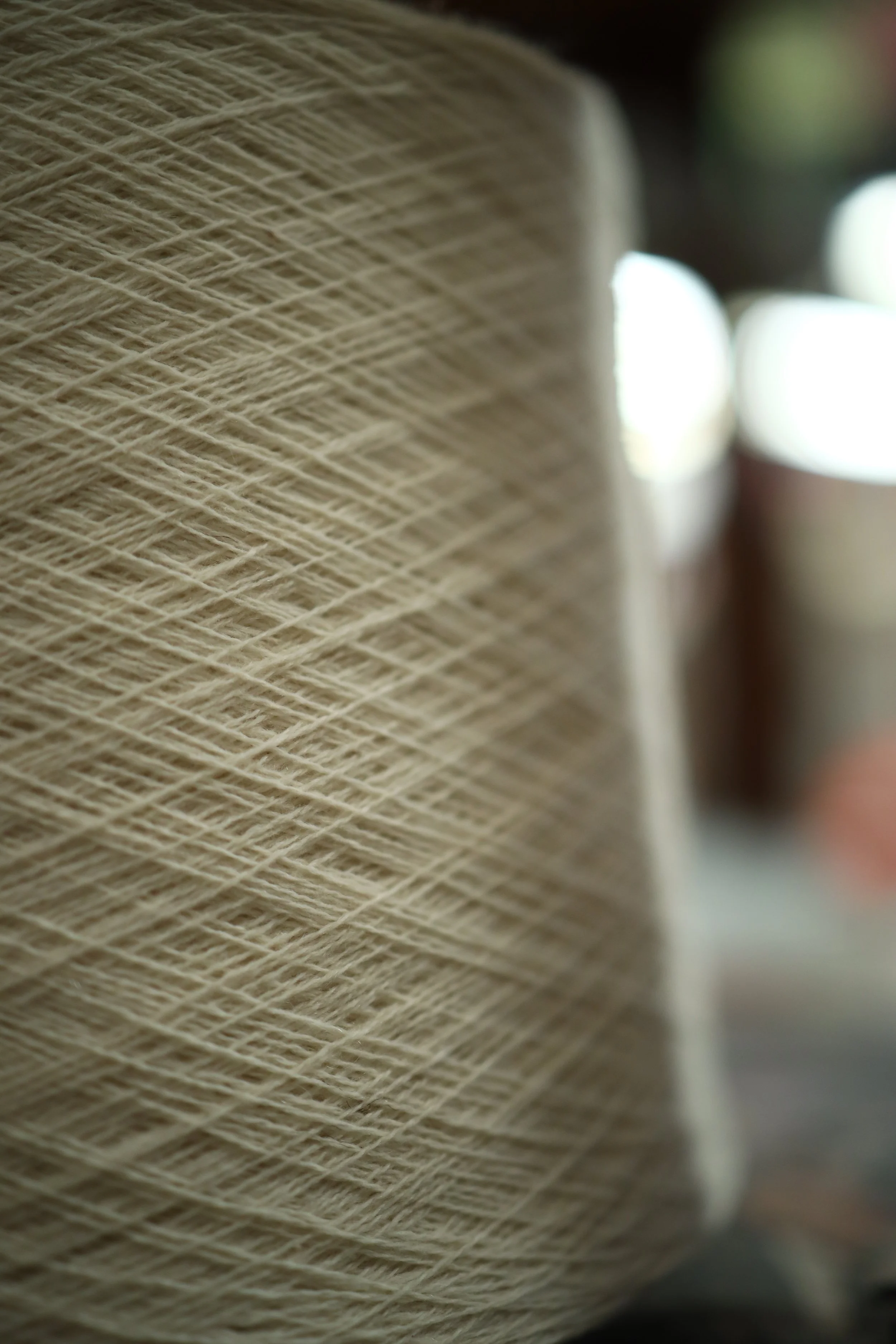
In its simplest form, ply refers to the number of yarn strands twisted together to create a finished thread.
While this may sound like a technical specification, it has a direct impact on the character of the final textile. Increasing or decreasing the ply influences weight, structure, warmth, durability, drape, and texture.
Two textiles may share the same fiber composition and color palette, yet feel entirely different because of the yarn construction used to create them.
For designers, ply is not merely a manufacturing detail. It is an important design decision.
Why Ply Matters in Interior Projects
When designing a space, attention is often focused on color, pattern, materials, and furnishings. These elements shape the visual experience of a room.
Ply influences something equally important: the tactile experience.
A throw draped over a sofa, a blanket placed at the foot of a bed, or a coverlet layered within a hospitality suite will all be touched, handled, and experienced daily. The weight and feel of the textile contribute significantly to how clients perceive comfort and luxury.
The ideal construction for a mountain retreat may differ entirely from what works in a coastal residence or an urban penthouse. Likewise, hospitality projects often require different considerations than private residential interiors.
Selecting the appropriate ply helps ensure that the textile aligns with both the aesthetic and functional goals of the project.
Lightweight Constructions: 2-Ply
A 2-ply cashmere construction offers an elegant, lightweight feel.
These pieces typically feature a softer drape and a more fluid character, making them well suited for layering and decorative applications. They can create a sense of effortlessness within a space while still delivering the softness associated with cashmere.
Designers often gravitate toward lighter constructions when seeking a refined, understated presence rather than visual weight.
Typical applications may include:
Decorative throws
Layering pieces
Transitional-season textiles
Spaces designed around lightness and softness
Mid-Weight Constructions: 4-Ply to 6-Ply
As additional yarn strands are introduced, the textile gains more structure and substance.
A 4-ply to 6-ply construction often provides a balance between softness and durability, offering enough weight to feel substantial while maintaining flexibility and comfort.
These constructions are frequently selected for projects where the textile serves both decorative and functional purposes.
The increased density can create stronger visual definition while enhancing long-term performance.
Typical applications may include:
Everyday throws
Bed runners
Coverlets
High-use residential interiors
Boutique hospitality projects
Heavyweight Constructions: 8-Ply to 10-Ply
For projects where warmth, texture, and presence are priorities, higher-ply constructions create a distinctly luxurious experience.
An 8-ply to 10-ply cashmere textile offers exceptional density and richness. These pieces often have a deeper tactile quality, creating a sense of comfort that clients notice immediately.
The result is a textile that feels substantial, enveloping, and highly indulgent without sacrificing the softness that defines premium cashmere.
Typical applications may include:
Luxury blankets
Cold-climate residences
Mountain lodges
Premium hospitality suites
Statement pieces designed around comfort and warmth
Matching Construction to the Environment
One of the most important considerations when selecting ply is context.
A mountain lodge surrounded by snow-covered landscapes may benefit from a heavier construction that emphasizes warmth and coziness. A coastal residence with abundant natural light may call for something lighter and more relaxed. A luxury hotel may require a balance between durability, appearance, and guest comfort.
There is rarely a universal answer.
The most successful textile specifications are often those developed around the specific environment, intended use, and desired guest or client experience.
The Details Clients Remember
Many design decisions are immediately visible.
Clients notice color palettes, furniture selections, finishes, and architectural details from the moment they enter a space.
Yet some of the most memorable aspects of an interior are experienced through touch rather than sight.
The weight of a blanket, the softness of a throw, the way a textile drapes across a bed, or the comfort it provides during daily use often becomes part of how people remember a space long after they have left it.
Ply plays a significant role in shaping those experiences.
While it may appear to be a technical specification on paper, it ultimately determines how a textile feels in the hands of the person using it.
And in luxury interiors, those subtle details often make the greatest difference.
At Arihant Collection, we view ply not simply as a manufacturing choice, but as a design tool, one that allows us to develop handwoven cashmere textiles tailored to the unique needs of each project.
