
Why Weave Matters: How Weave Structure Shapes the Look and Feel of Cashmere
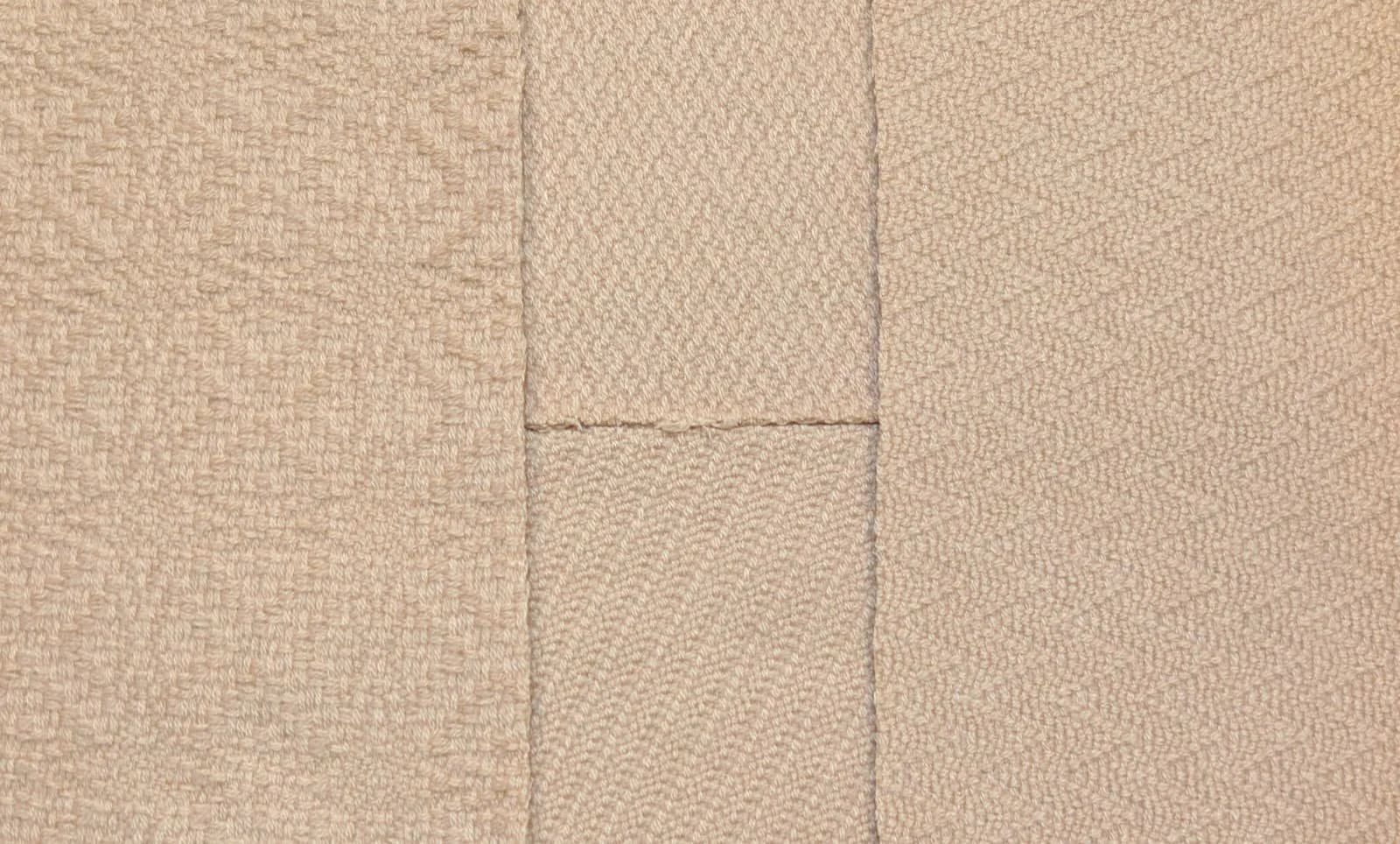
When people think about textiles, color is usually the first thing that comes to mind.
It's the element that immediately catches the eye and often drives the initial design conversation.
But in our experience, color is only part of the story.
The weave of a textile has just as much influence on how it is perceived and experienced. It determines how the fabric catches light, how it drapes, the amount of texture it creates, and even whether a space feels formal, relaxed, contemporary, or traditional.
At Arihant Collection, weave is one of the first conversations we have when developing custom pieces with designers.
Because often, it's the weave, not the color, that defines the finished product.
More Than 100 Ways to Interpret the Same Fiber
At Arihant Collection, we work with more than 100 different weave structures across our handwoven cashmere collections.
Some are understated, creating a smooth surface with only subtle texture visible when viewed closely.
Others introduce bold geometric patterns, raised textures, or intricate visual rhythms that become a defining feature of the textile.
Each weave brings its own personality.
Even before color is considered, the weave begins to shape how the fabric will interact with the surrounding space.
The Same Yarn, A Completely Different Result
One of the most fascinating aspects of weaving is how dramatically it can transform a material.
The same cashmere yarn can produce entirely different results simply by changing the weave structure.
A smooth plain weave creates a clean, timeless appearance.
A herringbone weave introduces movement and sophistication.
A basket weave adds depth and softness.
A geometric pattern can make a familiar neutral feel more contemporary and architectural.
Nothing about the yarn has changed.
Yet the finished textile can feel like a completely different product.
This is one of the reasons weaving remains such a powerful design tool.
How Weave Changes the Way We See Color
Weave doesn't only influence texture.
It changes how we perceive color.
Light interacts differently with every weave structure. Some weaves reflect light evenly, producing a clean, consistent appearance. Others create highlights and shadows that give the color greater depth and variation throughout the surface.
This is why a familiar shade can appear richer, softer, or more dimensional without changing the dye itself.
In neutral palettes especially, weave often becomes the element that introduces visual interest without adding additional colors or patterns.
The result is an interior that feels layered, refined, and quietly luxurious.
Texture Creates Atmosphere
Interior designers understand that materials shape the emotional character of a space.
A highly textured weave may create warmth and comfort within a mountain residence or boutique hotel.
A cleaner, flatter weave may complement a contemporary penthouse where simplicity and restraint are central to the design.
Neither approach is inherently better.
The most appropriate weave depends on the atmosphere the designer wants to create and how the textile will be experienced within the room.
This is why weave selection is about more than aesthetics. It also contributes to the overall feeling of a space.
Designing Color and Weave Together
One of the most valuable lessons we've learned over the years is that color and weave should never be considered separately.
A beautiful color can take on an entirely new character when paired with a different weave.
Likewise, a carefully selected weave may not achieve its full potential if the color doesn't allow its texture to emerge.
When developing custom products with designers, we encourage both decisions to evolve together.
Looking at color and weave side by side allows the finished textile to become more than the sum of its parts.
The Details That Define a Textile
Many people notice a textile's color first.
But what they continue to appreciate over time is often its texture, movement, and tactile quality.
These characteristics are largely determined by the weave.
It's one of the quietest aspects of textile design, yet one of the most influential.
At Arihant Collection, every weave represents another way to interpret cashmere. With more than 100 weave structures available, we see weave not simply as a manufacturing technique, but as a creative design tool that allows each textile to develop its own unique identity.
Sometimes the smallest structural changes create the biggest visual impact.
